Hvar Travel Tips
Everything first-time visitors need to know about Hvar. Getting there, getting around, and making the most of your island holiday.
Welcome to Hvar
Hvar is Croatia's sunniest island, famous for its lavender fields, crystal-clear Adriatic water, vibrant nightlife, and stunning coastline. It regularly tops lists of the world's most beautiful islands, and once you arrive, you'll understand why. But getting the most out of Hvar requires a little local knowledge.
This guide covers everything you need for your first visit: how to get to Hvar, where to stay for the best experience (hint: near the harbor if you're planning boat tours), getting around the island, money tips, language basics, local customs, and a complete packing list. Written by the team at Mini Yachts Hvar who live and work on the island year-round.
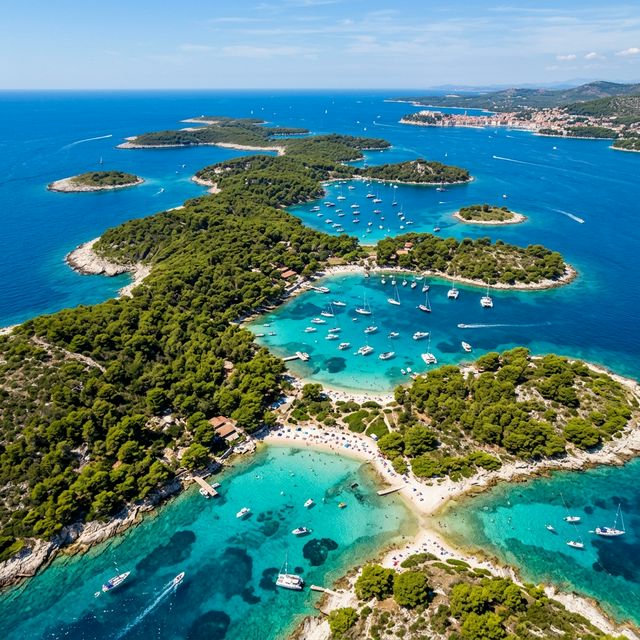
Quick tip: The single best thing you can do in Hvar is get out on the water. The coastline, hidden coves, and surrounding islands are the real stars. A private boat tour from Hvar shows you more of the island in one day than a week of walking could.
Getting to Hvar
Hvar is an island, so you'll need a boat to get here. Most visitors fly into Split Airport (SPU) and take a catamaran or ferry. Here are all your options:
Catamaran from Split
Jadrolinija or Kapetan Luka operate fast catamarans from Split to Hvar Town. This is the most popular option. Runs multiple times daily in summer. Foot passengers only - no cars.
💡 Book online at least 2-3 days ahead in July/August. Morning departures are less crowded.
Car Ferry (Split to Stari Grad)
Jadrolinija car ferry to Stari Grad, then 20-minute drive/bus to Hvar Town. Essential if you're bringing a car (not recommended for short stays).
💡 If bringing a car, arrive 2 hours early in summer. The ferry fills up fast.
Private Speedboat Transfer
Door-to-dock service from Split airport or city. Luxury option for groups - split the cost and arrive in style. Can often arrange through your accommodation.
💡 Great value for groups of 4-6. Works out similar per person to catamaran when you factor in convenience.
From Dubrovnik
Catamaran services connect Dubrovnik to Hvar via Korčula. Some seasonal direct routes available. Alternatively, bus to Split and catamaran from there.
💡 Check Kapetan Luka schedules for direct Dubrovnik-Hvar routes in summer.
Where to Stay in Hvar
For first-timers, especially those planning boat tours from Hvar, staying near the harbor is ideal. Here's a breakdown of the main areas:
Near the Harbor
€€€Walking distance to boat tours, restaurants, nightlife, and catamaran terminal. The heart of Hvar Town.
Best for: First-timers, boat tour guests, couples
Old Town (Upper)
€€Charming stone houses, quieter streets, stunning views from the hillside. A 5-10 minute walk to the harbor.
Best for: Couples, photography enthusiasts, culture lovers
Majerovica / Beaches Area
€-€€Close to town beaches, slightly more residential, still walkable to center. Better value accommodation.
Best for: Families, budget-conscious travelers
Stari Grad
€-€€The island's oldest town. More authentic, less touristy, UNESCO heritage site. 20 min from Hvar Town.
Best for: History buffs, those with a car, budget travelers
Our Recommendation for Boat Tour Guests
If you're planning a private boat tour with Mini Yachts Hvar, stay within walking distance of the harbor. Our boats depart from the main harbor area, and being close means a relaxed morning start instead of rushing from across town. Most of Hvar's best restaurants and nightlife are harbor-adjacent too.
Getting Around Hvar
Walking
Hvar Town is compact and walkable. The harbor, fortress, restaurants, and beaches are all within 15 minutes on foot. Wear comfortable shoes - cobblestones are beautiful but uneven.
Best for: Hvar Town exploration
Scooter Rental
The most popular way to explore beyond Hvar Town. Rent for €30-50/day. Visit lavender fields, Stari Grad, remote beaches. Requires a valid driving license.
Best for: Island exploration
By Boat
The absolute best way to experience Hvar's coastline. A private boat tour covers more ground than any other transport. Reach hidden coves, Pakleni Islands, and south coast spots impossible to reach by road.
Best for: Coastline & islands
Money Tips for Hvar
Currency: Euro (€)
Croatia joined the Eurozone in January 2023. If you're coming from another EU country, you don't need to exchange money. For visitors from the US, UK, or elsewhere, exchange at your bank before traveling or withdraw from ATMs in Hvar.
Typical Costs in Hvar
- • Coffee: €2-3
- • Beer: €4-6
- • Restaurant meal: €15-30
- • Fine dining: €40-80
- • Scooter rental: €30-50/day
- • Private boat tour: €500-1,200/day
Tipping Culture
- • Restaurants: 10-15% for good service
- • Cafes: Round up or leave small change
- • Boat captains: Appreciated, not expected
- • Hotel staff: €1-2 per day
- • Taxi: Round up to nearest Euro
- • Tour guides: €5-10 per person
Language & Local Customs
Tipping
Not mandatory in Croatia but appreciated. Round up at restaurants or leave 10-15% for great service. Tipping your boat captain is welcome but not expected.
Language
Croatian is the local language. English is widely spoken in Hvar, especially in tourism. "Hvala" (thank you) and "Molim" (please) go a long way.
Dining Hours
Lunch is the big meal (12-3 PM). Dinner starts late (7-10 PM). Many restaurants close between lunch and dinner service.
Water
Tap water is safe to drink in Hvar. Bring a refillable bottle to save money and reduce plastic waste.
Siesta Culture
Some shops close between 1-5 PM, especially in shoulder season. Plan shopping and errands for morning or evening.
Sun Intensity
Mediterranean sun is stronger than you think. Wear sunscreen even on cloudy days. UV reflects off water and stone buildings.
Cash vs Card
Cards work in most places. Keep €20-50 cash for small purchases, market vendors, and bathroom fees.
Pharmacy
Called "Ljekarna" in Croatian. There's one in Hvar Town center. Stock up on sunscreen and any medication before boat trips.
Useful Croatian Phrases
Packing List for Hvar
Beach & Boat Essentials
- Swimsuit (bring 2 - one is always drying)
- Quick-dry towel or microfiber towel
- Reef-safe sunscreen SPF 50+
- Polarized sunglasses
- Water shoes (for rocky beaches)
- Waterproof phone case
- Snorkeling gear (or use ours on boat tours)
Clothing
- Light, breathable fabrics (linen, cotton)
- Cover-up or sarong for walking to/from beach
- Comfortable walking shoes (cobblestones!)
- Dressy outfit for nicer restaurants
- Light jacket for boat rides and evening breezes
- Hat or cap for sun protection
Practical Items
- EU power adapter (Type C/F)
- Portable charger / power bank
- Small daypack or beach bag
- Reusable water bottle
- Basic first aid (band-aids, Dramamine)
- Travel insurance documents
First-Timer Questions
How do I get to Hvar from Split?
The most popular option is the Jadrolinija catamaran from Split to Hvar Town (about 1 hour, tickets from €12). Car ferries go from Split to Stari Grad (2 hours). Private speedboat transfers take about 45 minutes and can be arranged for groups. Book catamaran tickets in advance during summer.
Do I need a car on Hvar?
No. Hvar Town is very walkable, and most attractions are reachable on foot. For exploring the island, scooter rentals (€30-50/day) are popular. The best way to see the coastline is by boat - private boat tours from Hvar cover more ground than driving ever could.
What currency does Hvar use?
Croatia adopted the Euro (€) in January 2023. Cards are widely accepted in Hvar Town restaurants, shops, and tours. Keep some cash for small vendors, market stalls, and tips. ATMs are available in Hvar Town center.
When is the best time to visit Hvar?
June and September offer the best balance: warm weather (25-30°C), warm sea (21-23°C), fewer crowds, and lower prices. July-August is peak season with hottest weather, warmest water, and the most nightlife, but higher prices and crowds. May and October are quiet shoulder months.